

The world of computing is changing faster than ever before. From artificial intelligence to cloud based systems, the software landscape is undergoing a dramatic transformation. For anyone keeping a close eye on tech trends pboxcomputers, it has become clear that staying informed is no longer optional; it is essential. Whether you are a casual user, a developer, or a business owner, understanding these evolving trends can help you make smarter decisions about the tools and platforms you rely on every day.
1. The Rise of AI Powered Software
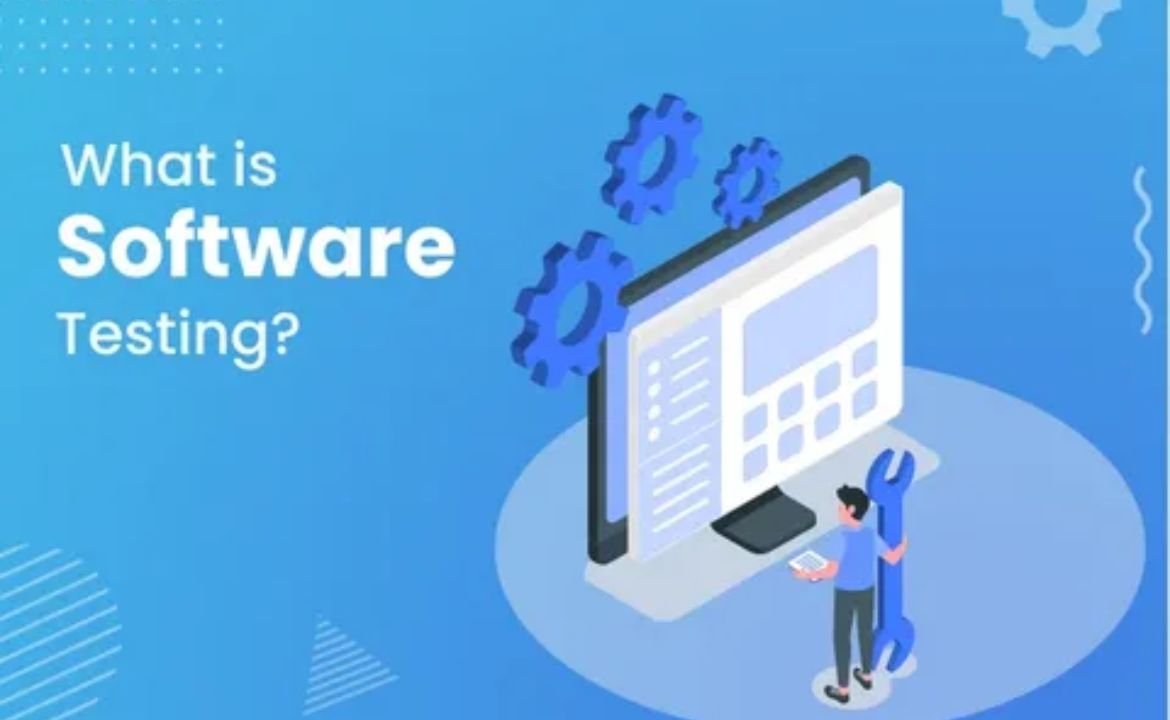
Artificial intelligence is no longer limited to research labs or Fortune 500 companies. Today, AI is embedded in everything from word processors to photo editors. Tools like GitHub Copilot, Grammarly, and Adobe Firefly use machine learning to make everyday tasks faster and smarter. Moxhit 4.6.1 Software Testing This shift is one of the most significant tech trends pboxcomputers enthusiasts and professionals are tracking right now.
AI powered features such as predictive text, automated bug detection, and smart search becoming standard in mainstream software. Users who once needed deep technical knowledge to accomplish complex tasks can now rely on intelligent assistants embedded directly into their applications. This democratization of technology is lowering barriers and enabling a new wave of productivity across industries.
2. Cloud Computing and SaaS Dominance
Software as a Service (SaaS) has fundamentally changed how people access and use applications. Rather than purchasing and installing software on a local machine, users now subscribe to cloud based platforms that update automatically and work across devices. Microsoft 365, Google Workspace, Notion, and Figma are prime examples of how cloud computing has become the default model for both personal and enterprise use.
For those following tech trends pboxcomputers, the SaaS model brings significant advantages: lower upfront costs, seamless collaboration, automatic security patches, and access from any location. However, it also raises important questions about data privacy, vendor lock in, and internet dependency. As connectivity improves globally, SaaS adoption is expected to accelerate even further throughout 2025 and beyond.
3. Low Code and No Code Development Platforms
One of the most exciting developments in the software industry is the rapid growth of low code and no code platforms. Tools like Webflow, Bubble, Zapier, and Microsoft Power Apps allow people without traditional programming backgrounds to build fully functional applications, automate workflows, and create digital products.
This trend is reshaping the workforce by enabling so called “citizen developers,” business analysts, marketers, and operations professionals to solve technical problems without relying heavily on IT teams. As part of the broader tech trends pboxcomputers movement, low code tools are expected to become increasingly sophisticated, blurring the line between professional software engineering and everyday digital problem solving.
4. Cybersecurity Software: A Growing Priority
As software becomes more deeply integrated into critical infrastructure, healthcare, finance, and communications, cybersecurity has moved to the front of every organization’s agenda. Modern security software now leverages AI to detect anomalies, predict threats, and respond to breaches in real time. Solutions like endpoint detection and response (EDR), zero-trust frameworks, and automated vulnerability scanning are becoming industry standards.
For home users and small businesses alike, cybersecurity tools have become much more accessible and user friendly. Password managers, VPNs, and multi factor authentication apps now considered basic digital hygiene. Ransomware attacks, phishing campaigns, and data breaches continue to rise, making cybersecurity software one of the most critically important segments in today’s tech ecosystem.
5. Cross Platform and Open Source Software
Modern users expect their software to work seamlessly across Windows, macOS, Linux, Android, and iOS. This demand has pushed developers to adopt cross-platform frameworks like Flutter, React Native, and Electron. Applications built with these tools can run on virtually any device, offering a consistent experience regardless of the operating system.
Simultaneously, open source software continues to thrive. Projects like LibreOffice, VLC, and the Linux kernel demonstrate that community driven development can produce world-class tools. Open source contributions have accelerated innovation across every domain, from machine learning libraries like TensorFlow to database engines like PostgreSQL. This collaborative model aligns perfectly with the community driven ethos often seen in tech trends pboxcomputers discussions, and forums.
6. The Future: Quantum Computing and Edge Software
Looking further ahead, quantum computing and edge computing represent the next major frontier in software evolution. Quantum computing promises to solve complex problems from drug discovery to financial modeling that are beyond the reach of classical computers. While still largely experimental, companies like IBM, Google, and Microsoft are making steady progress in bringing quantum hardware and software closer to practical use.
Edge computing, on the other hand, already transforming how data is processed. By moving computation closer to the source of data, whether that is a factory sensor, a self driving car, or a smart home device, edge software reduces latency, improves responsiveness, and lessens reliance on centralized cloud servers. These two technologies together will define the next decade of software innovation and are shaping the broader narrative of computing’s future.
Conclusion
The software landscape has never been more dynamic. but From AI driven tools to cloud platforms, no code builders, and next generation security solutions, the pace of change is accelerating. Keeping up with tech trends pboxcomputers means more than just following headlines; it means understanding how these shifts affect your daily work, your business, and your personal digital life.
Whether you are an enthusiast upgrading your home setup, a professional navigating enterprise software choices, or a developer building the tools of tomorrow, staying curious and adaptable is the single most valuable skill you can cultivate. The evolution of computer software is not slowing down, and neither should your desire to understand it.



Leave a Reply