
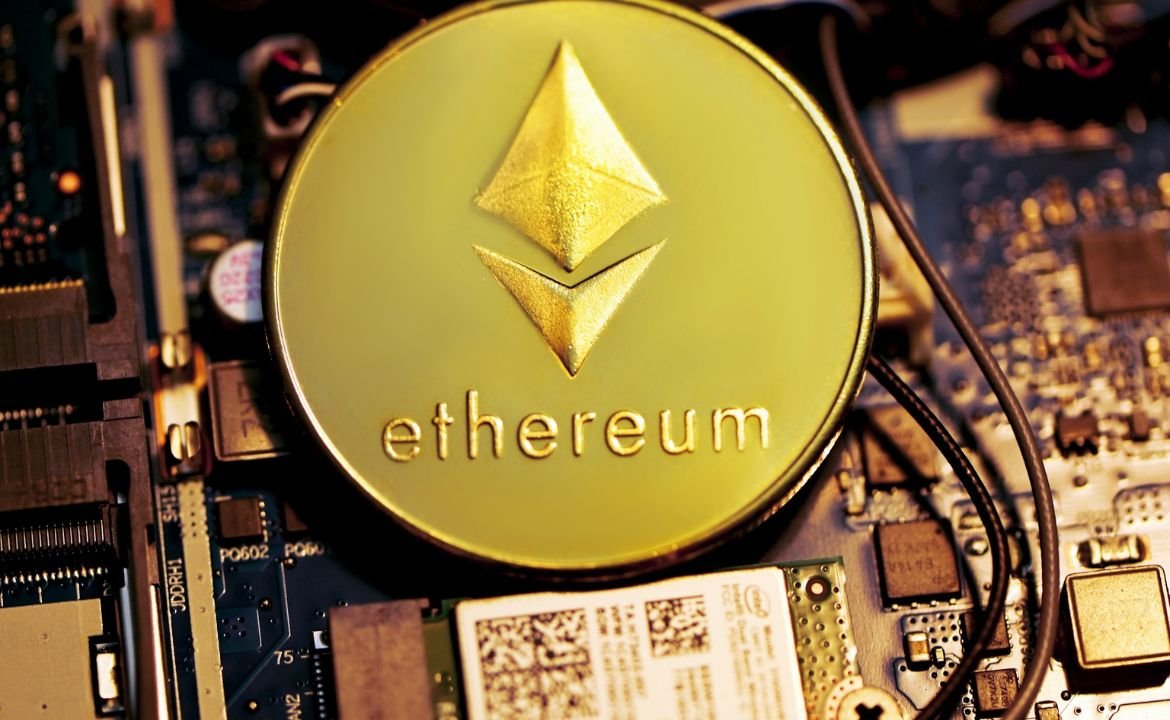
When people first hear about Ethereum, they often assume it is just another cryptocurrency similar to Bitcoin. While Ethereum does have its own digital currency, known as Ether (ETH), its true value goes far beyond simple transactions. Ethereum is not just a currency—it is an entire platform that allows developers to build applications, create financial systems, and reshape how the internet operates.
To understand Ethereum, it helps to start with its core idea. While Bitcoin was designed primarily as a digital alternative to money, Ethereum was created to expand the possibilities of blockchain technology. It introduced the concept of programmable blockchain, meaning that developers can write code that runs directly on the network. This code is known as a smart contract, and it is one of the most important innovations in the crypto space.
Smart contracts are self-executing agreements where the terms are written into code. Once certain conditions are met, the contract automatically carries out the action. This eliminates the need for intermediaries such as banks, lawyers, or brokers. For example, a smart contract could release a payment once a service is completed, without requiring manual approval. This level of automation can increase efficiency, reduce costs, and minimize human error.
Ethereum’s ability to support smart contracts has led to the development of decentralized applications, often referred to as dApps. These applications run on the Ethereum network rather than on centralized servers. This means they are not controlled by a single entity and are less vulnerable to censorship or downtime. Developers have used this capability to build a wide range of services, from financial platforms to gaming and digital identity systems.
One of the most significant areas powered by Ethereum is decentralized finance, or DeFi. This ecosystem allows users to borrow, lend, trade, and earn interest on their assets without relying on traditional financial institutions. DeFi platforms operate through smart contracts, providing transparency and accessibility to anyone with an internet connection. This has opened up new opportunities for financial inclusion, especially in regions where access to banking services is limited.
Ethereum has also played a major role in the rise of NFTs, or non-fungible tokens. These digital assets represent ownership of unique items, such as art, music, or virtual goods. By using blockchain technology, NFTs ensure authenticity and ownership in a way that was not possible before. While the NFT market has experienced ups and downs, it has demonstrated how Ethereum can support entirely new digital economies.
Another important aspect of Ethereum is its ongoing evolution. The network has undergone significant upgrades, including the transition from a proof-of-work system to proof-of-stake. This change has improved energy efficiency and reduced the environmental impact of the network. It also represents Ethereum’s ability to adapt and improve over time, which is crucial in a rapidly changing technological landscape.
Despite its many advantages, Ethereum is not without challenges. Scalability has been a major concern, as high demand can lead to increased transaction fees and slower processing times. However, solutions such as layer 2 technologies and network upgrades are being developed to address these issues. These improvements aim to make Ethereum more efficient and accessible for everyday use.
Another factor that sets Ethereum apart is its large and active developer community. Thousands of developers are constantly building new projects, improving the network, and exploring innovative use cases. This level of activity creates a strong ecosystem that continues to grow and evolve. It also contributes to Ethereum’s resilience and long-term potential.
Ethereum’s impact extends beyond finance and technology. It is part of a broader movement toward decentralization and user empowerment. By giving individuals more control over their data, assets, and interactions, Ethereum is helping to redefine how digital systems operate. This vision is often associated with Web3, the next generation of the internet, where users have greater ownership and participation.
For investors and users alike, Ethereum represents more than just a digital asset. It is a platform that enables innovation and creates new possibilities. Its value is not only in its price but in the ecosystem it supports and the problems it aims to solve.
In the end, Ethereum is much more than a cryptocurrency. It is a foundation for a new type of digital infrastructure, one that is decentralized, programmable, and constantly evolving. As technology continues to advance, Ethereum’s role is likely to expand, making it one of the most important platforms in the future of the internet and finance.










Leave a Reply