
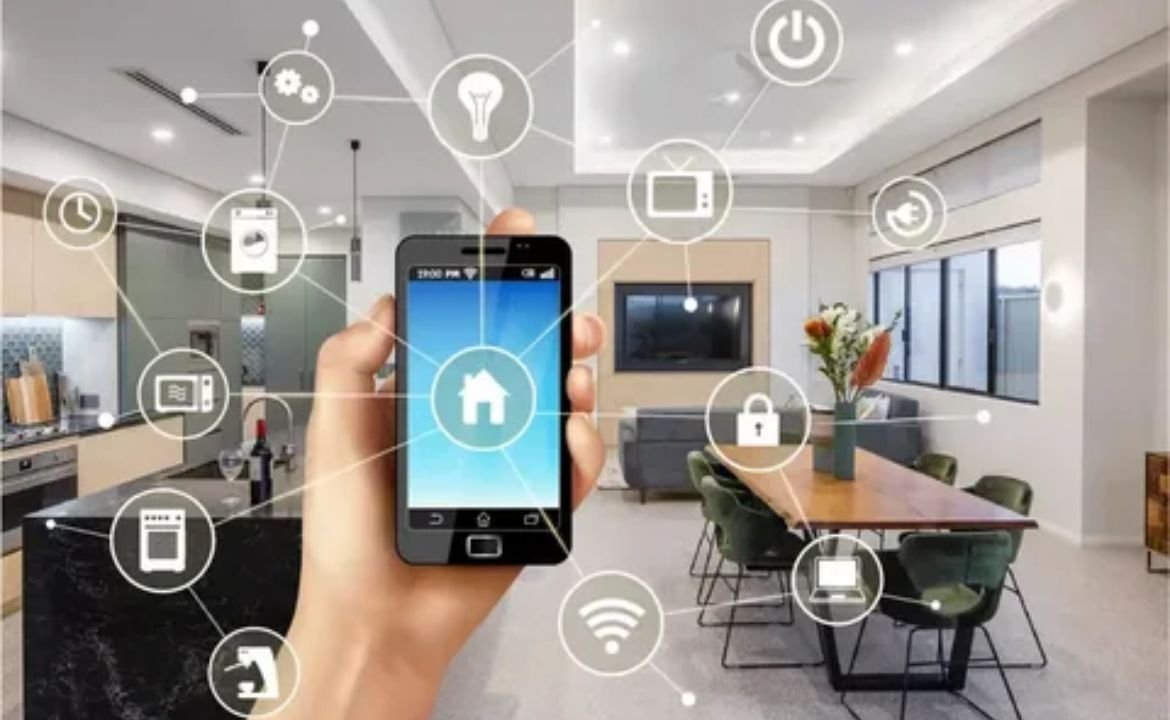
Imagine waking up to a home that already knows your routine. The lights gradually brighten as your alarm goes off. The coffee maker starts brewing before you even step out of bed. The thermostat has already adjusted the temperature to your preference. This is not science fiction, it is the world we are stepping into right now. Understanding how smart home technology will change lives is no longer optional curiosity; it is essential knowledge for anyone who wants to stay ahead of one of the most powerful shifts in modern living.
What Is Smart Home Technology?
Smart home technology refers to a network of internet connected devices that automate and manage household functions from lighting and security to energy use and entertainment. Tech Trends PboxComputers These devices communicate with each other through Wi-Fi, Bluetooth, Zigbee, or Z Wave protocols, and they are typically controlled via smartphone apps, voice assistants like Amazon Alexa or Google Home, or automated schedules.
Key examples include smart thermostats, video doorbells, automated lighting systems, smart locks, robotic vacuums, AI-powered kitchen appliances, and whole home energy monitors. When these devices work together, they create a truly intelligent living environment.
The Real Impact: How Smart Home Technology Will Change Lives
The transformation is already underway, but the full picture of how smart home technology will change lives becomes clearest when we look at specific areas of daily life:
1. Health and Wellness at Home
Smart home devices are becoming powerful health allies. Air quality monitors detect pollutants and allergens in real time, automatically triggering air purifiers. Smart mattresses track sleep quality and adjust firmness throughout the night. Medication dispensers send reminders and alerts to family members if a dose is missed.
For the elderly and people with disabilities, these advancements are life changing. Voice activated controls allow individuals with limited mobility to manage their entire home without physical effort. Fall detection systems, smart stoves that auto shut off, and remote health monitors give families peace of mind and dramatically extend independent living.
2. Energy Efficiency and Environmental Impact
One of the strongest arguments for smart home adoption is energy savings. Smart thermostats like Nest learn your schedule and optimize heating and cooling automatically. Studies suggest they can reduce heating bills by up to 12% and cooling bills by up to 15%. Smart lighting systems switch off automatically in empty rooms. Solar panels paired with smart energy management systems store and distribute power intelligently.
On a larger scale, millions of energy efficient smart homes could significantly reduce national energy consumption, lower carbon emissions, and help communities meet climate goals. The environmental ripple effect of widespread smart home adoption is enormous.
3. Safety and Security Reinvented
Home security has evolved far beyond deadbolts and alarm systems. Today’s smart homes feature AI-powered cameras that distinguish between a family member and a stranger, smart doorbells with two-way communication, motion-sensor lighting, and automated locks that can be granted or revoked instantly from anywhere in the world.
Smart smoke detectors and carbon monoxide sensors not only alert residents but also automatically unlock doors to facilitate safe escape. Water leak sensors can shut off the main water supply before serious damage occurs. These are not luxury features, they are life-saving technologies becoming more accessible every year.
4. Convenience and Time Savings
Time is the one resource no one can buy more of, and smart homes give you more of it. Robotic vacuums clean your floors while you work. Smart washing machines run during off peak electricity hours. Grocery apps connected to smart fridges reorder essentials before you run out.
By automating repetitive tasks, smart home technology frees up hours each week that can be redirected to family, hobbies, health, and personal growth. For busy professionals and parents, especially, that is a profound quality of life upgrade.
Challenges to Consider
No technology comes without challenges. Smart home devices raise legitimate privacy concerns always on microphones, cameras, and data collection create vulnerabilities if not properly secured. Cybersecurity experts recommend strong passwords, regular firmware updates, and separate Wi Fi networks for smart devices.
Cost is another barrier. While prices have fallen significantly, a fully integrated smart home still requires upfront investment. Compatibility between different brands can also be frustrating, though industry standards like Matter are gradually solving this fragmentation problem.
The Future Is Already Here
According to industry analysts, the global smart home market is projected to exceed $500 billion by 2030. As 5G connectivity expands, AI becomes more sophisticated, and device costs continue to drop, adoption will accelerate rapidly across all income levels and geographies.
Homes will eventually predict your needs before you articulate them. Your home will know you had a stressful day from your wearable data and dim the lights, start a bath, and queue your favorite playlist automatically. The vision of how smart home technology will change lives goes well beyond gadgets; it is about creating environments that are genuinely responsive to human wellbeing.
Conclusion
The question is no longer whether smart home technology will reshape our daily lives; it is how quickly we are ready to embrace it. From saving energy and strengthening security to improving health outcomes and reclaiming personal time, the evidence is compelling, and the momentum is unstoppable. How smart home technology will change lives is ultimately a story about human potential our ability to design environments that work harder for us, so we can focus on what truly matters. The smart home is not just a place to live. It is a partner in living well.








Leave a Reply